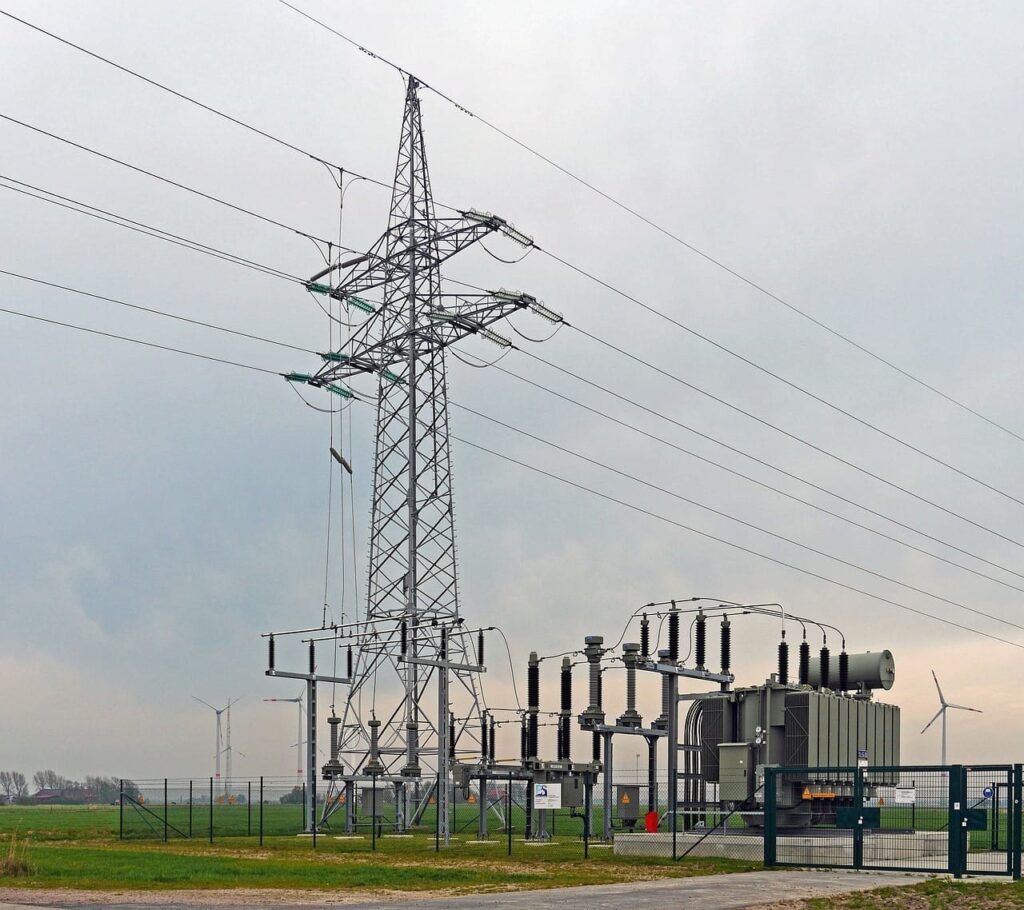
The Operation Of An Electrical Transformer

The Operation Of An Electrical Transformer

The objective of this post is to explain: The Operation Of An Electrical Transformer   By the end of this post you’ll have a better understanding of the following topics: General overview of transformers Principle of operation Transformer application Single-phase transformers Three-phase transformers Transformer calculations Power transmission losses Core & Shell transformers Transformer cooling Autotransformers The

The Operation Of An Electrical Transformer Read More »

How To: Calculate The Thickness Of An Unstayed Full Hemispherical Head

How To: Calculate The Thickness Of An Unstayed Full Hemispherical Head

When completing ASME code calculations involving cylindrical components it is possible during examinations you will be required to know how to calculate the thickness of an unstayed full hemispherical head. I recommend before working on questions involving full hemispherical heads, you read over the material and complete the practice questions regarding How To: Determine The Thickness Of

How To: Calculate The Thickness Of An Unstayed Full Hemispherical Head Read More »

How An Absorption Refrigeration Cycle Works

How An Absorption Refrigeration Cycle Works

The objective of this post is to answer the question How An Absorption Refrigeration Cycle Works?   Here is a great video that will help you understand the absorption refrigeration cycle Absorption Refrigeration Cycle Video #1 Video Source: Public Resource.Org Video Highlights Describes and Illustrates: Absorption system operation Sensible Heat Latent Heat Convection, radiation and

How An Absorption Refrigeration Cycle Works Read More »

How To: Calculate The Thickness Of A Blank, Unstayed Dished Head

How To: Calculate The Thickness Of A Blank, Unstayed Dished Head

The topic we’re going to cover in this post involves determining the minimum required thickness of a dished head, when it is a blank unstayed dished head with pressure on the concave side, and a segment of a sphere. We will review the formula, provide where to find it, define each of the variables, and then provide

How To: Calculate The Thickness Of A Blank, Unstayed Dished Head Read More »

How To: Calculate The Maximum Allowable Working Pressure Of A Header

How To: Calculate The Maximum Allowable Working Pressure Of A Header

When completing ASME code calculations involving cylindrical components you will be required to know how to calculate the maximum allowable working pressure of a header. All page numbers referenced below are from the 2007 ASME Boiler & Pressure Vessel Code. Formula To calculate the maximum allowable working pressure of a header during different operating conditions you

How To: Calculate The Maximum Allowable Working Pressure Of A Header Read More »

How To Calculate The Minimum Required Thickness Of A Header

How To: Calculate The Minimum Required Thickness Of A Header

Throughout your 3rd Class Power Engineering studies you’ll be required to complete ASME code calculations involving cylindrical components. More specifically, you’ll be required to know how to calculate the minimum required thickness of a header on your provincial examination.   All page numbers referenced below are from the 2007 ASME Boiler & Pressure Vessel Code. Formula To

How To: Calculate The Minimum Required Thickness Of A Header Read More »

How To Calculate The Maximum Allowable Working Pressure Of A Boiler Drum

How To: Calculate The Maximum Allowable Working Pressure Of A Boiler Drum

While completing ASME code calculations involving cylindrical components for 3rd Class Power Engineering you’ll be required to know how to calculate the maximum allowable working pressure of a boiler drum.  The referenced page numbers below are from the 2007 ASME Boiler & Pressure Vessel Code. Formula To calculate the maximum allowable working pressure of a

How To: Calculate The Maximum Allowable Working Pressure Of A Boiler Drum Read More »

Enter Your Email To Get Access To The Free Training!

Power Engineering 101 Logo Survey Tutorial